



Custom Plastic Injection Molding Services
DAYIN is a plastic injection molding company that cuts the tooling, molds the parts, finishes them and assembles them inside one Dongguan plant. Send a 3D file and a target volume and you get a quote covering the mold and the part — from the people who will actually run the job, not a broker who places it elsewhere.
Injection molding, overmolding, insert molding and 2K — and the honest limits of each
Most parts only need a single shot. The moment a part needs two materials or a metal component inside it, the choice between insert molding, overmolding and two-shot molding decides your tooling cost and your cycle time. Here is what each one is, and what we run.
Custom injection molding
One material, one cavity set. This covers most of what leaves this plant: housings, tanks, covers, frames, containers and structural parts in volumes from tens of thousands to millions a year.
Runs on any of the 80+ presses, 60T to 1,000T.
Metal inserts molded into the part
Threaded inserts, nuts, shafts, contacts or a stainless component are placed in the tool and the plastic is molded around them. You get one finished part instead of a molded part plus a press-fit or ultrasonic insertion step afterwards.
Used for screw bosses that have to survive repeated assembly, and for plastic-to-metal joints.
A second material over a molded substrate
A soft TPE grip or seal is molded over a rigid ABS, PC or PP base. The two shots run in sequence and the substrate is transferred between tools, so tooling stays simpler than a 2K tool while the part still comes out bonded rather than assembled.
Soft-touch grips, sealing lips, non-slip feet, two-colour trims.
2K molding on a dedicated press
Both materials are shot in one machine cycle with a rotating or shuttling tool, so there is no handling between shots and the bond is made while the first shot is still hot. We run this on one dedicated 360T two-shot press with twin 45 mm / 32 mm screws — enough for a steady 2K program, not for several at once.
Tell us early if your part is 2K, so the program is scheduled against that press.
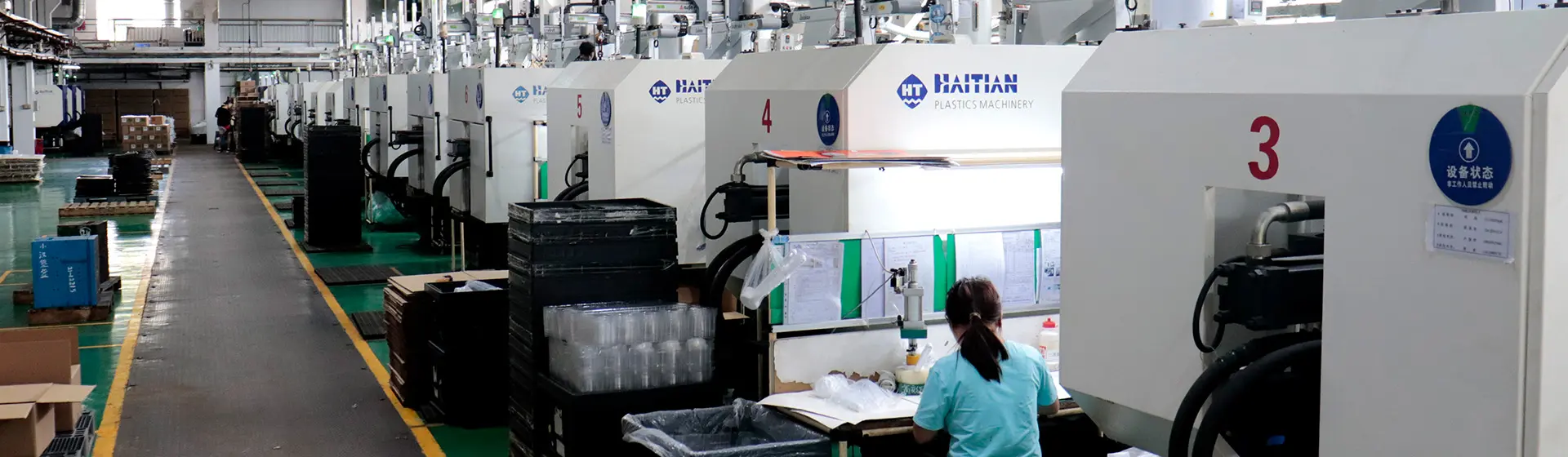
80+ presses from 60T to 1,000T — what fits on them
Buyers ask for the press list because it answers one question: can this shop hold my part. Below is the size envelope by tonnage band — tie-bar spacing, mold thickness and shot weight — so you can place your part before you send anything. Every press carries a take-out robot, so parts come off the same way on every cycle instead of by hand.
| Tonnage band | Tie-bar spacing | Mold thickness | Shot capacity | What runs here |
|---|---|---|---|---|
| 60–200 T | 240 × 205 to 570 × 520 mm | 120–600 mm | 60–375 g | Small precision parts, gears, caps, connectors, insert-molded pieces |
| 280–380 T | 630 × 630 to 730 × 730 mm | 230–730 mm | 560–1,100 g | The bulk of the plant: housings, covers, tanks, containers |
| 530–800 T | 830 × 830 to 1,000 × 1,000 mm | 350–1,000 mm | 2,000–2,800 g | Large housings, base stations, thick-walled and deep-draw parts |
| 1,000 T | 1,160 × 1,160 mm | 500–1,160 mm | 3,769 g | The largest parts this plant can mold in one shot |
Also on the floor: one dedicated 360T two-shot press for 2K work, one vertical press for insert molding, all-electric presses for parts where shot-to-shot repeatability matters, and two 80T blow-molding machines for bottles and hollow bodies. Shot capacity is given in polystyrene; for PP figure on roughly 70% of the listed weight. Four presses are ring-fenced for GRS recycled-content production and are not run with virgin material in between. Send the part and we will tell you which press it is quoted on.
The tool room is ours, so the mold stays a fixable thing
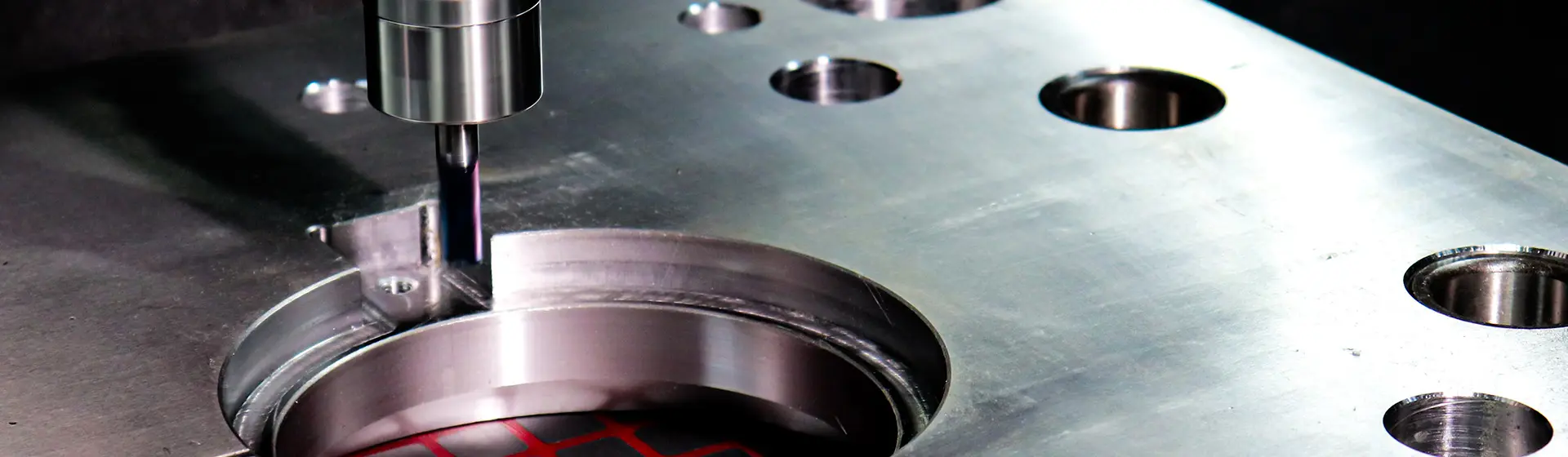
When the mold is cut by an outside tool shop, every engineering change and every worn cavity turns into a negotiation between two suppliers. Here the tool room and the presses are in the same plant under one quality system, and the tool can go back on a machine the same day a problem shows up in the part.
| Mold types | Steel molds for production programs; aluminium molds where cycle time and lead cost matter more than total life. We also take over a mold you already own, inspect it and modify it rather than quoting you a new tool. |
|---|---|
| Mold build time | Typically 20–25 days of tool-room work for a simple mold and 35–40 days for a complex one (multiple cavities, slides, lifters, texture). This is the build itself; DFM review and order processing come before it and are not included. Your quote states the estimate for your part. |
| Typical mold life | Around 300,000 shots as a normal design target. Longer life is a design and steel decision, so tell us your annual volume and the years you expect the tool to run and it goes into the quote. |
| Mold size | Bounded by the press, not by the tool room: up to 1,160 × 1,160 mm between tie bars and 1,160 mm mold thickness on the 1,000T machines. |
| Tool room equipment | 9 CNC machining centres, 4 mirror-finish EDM, 2 Sodick wire EDM, 5 spotting presses, 5 surface grinders. More than 10,000 molds have been designed and built here. |
| Tolerances | Machining tolerance on the mold ±0.08 mm. Achievable part tolerance depends on the resin, the wall sections and where you allow the gate — it is set with you during DFM, not promised in advance. |
| Before steel is cut | DFM review and mold-flow analysis on the part you send: gate positions, wall thickness, weld lines, warpage and sink risk. Changes are cheap in the model and expensive in hardened steel. |
The resins this plant buys and runs every week
This is not a catalogue of everything that exists — it is what is already on the purchase list and running on these presses, which is why we can quote it from stock pricing rather than guessing. If your drawing calls out a grade from a specific supplier, we buy that grade; if you want a substitute, we will say what it changes.
| Material | What it is good at | Typical parts here |
|---|---|---|
| ABS | Impact strength, easy to paint and plate, stable dimensions | Housings, enclosures, cosmetic covers |
| PC | Toughness and clarity, heat resistance | Lenses, light covers, load-bearing clear parts |
| PC/ABS | PC toughness at lower cost and easier flow | Large housings, structural covers |
| PP | Living hinges, chemical and fatigue resistance, food contact | Containers, caps, tanks, hinged parts |
| PP + 20% glass fibre | Stiffness and heat resistance over plain PP | Structural brackets, load-carrying frames |
| PE | Chemical resistance, low cost, tough at low temperature | Containers, closures, blow-molded bodies |
| POM (acetal) | Low friction, dimensional stability, fatigue life | Gears, latches, moving mechanisms |
| PA / nylon, incl. PA66 + 15% GF | Wear resistance and strength at temperature | Gears, bearings, structural clips |
| PMMA (acrylic) | Optical clarity and UV stability | Displays, light guides, lenses |
| HIPS / GPPS | Economical, rigid, easy to finish | Internal structures, trays, packaging |
| AS / MS | Clarity with better rigidity than PS | Transparent housings, tableware |
| PCTG | Clarity plus impact strength, food contact | Drinkware, storage bodies |
| POK | Chemical and abrasion resistance, low friction | Functional parts replacing POM or nylon |
| TPE | Rubber feel, bonds to rigid substrates | Grips, seals, overmolded soft zones |
| Recycled PCR: ABS, PP, PET | Recycled content a retailer can audit | Parts with a stated recycled-content claim |
Recycled content is the one that gets checked. DAYIN holds GRS certification and keeps four presses dedicated to recycled-content production, so a claim on your packaging has a certificate and a segregated production line behind it.
Parts that come off these presses
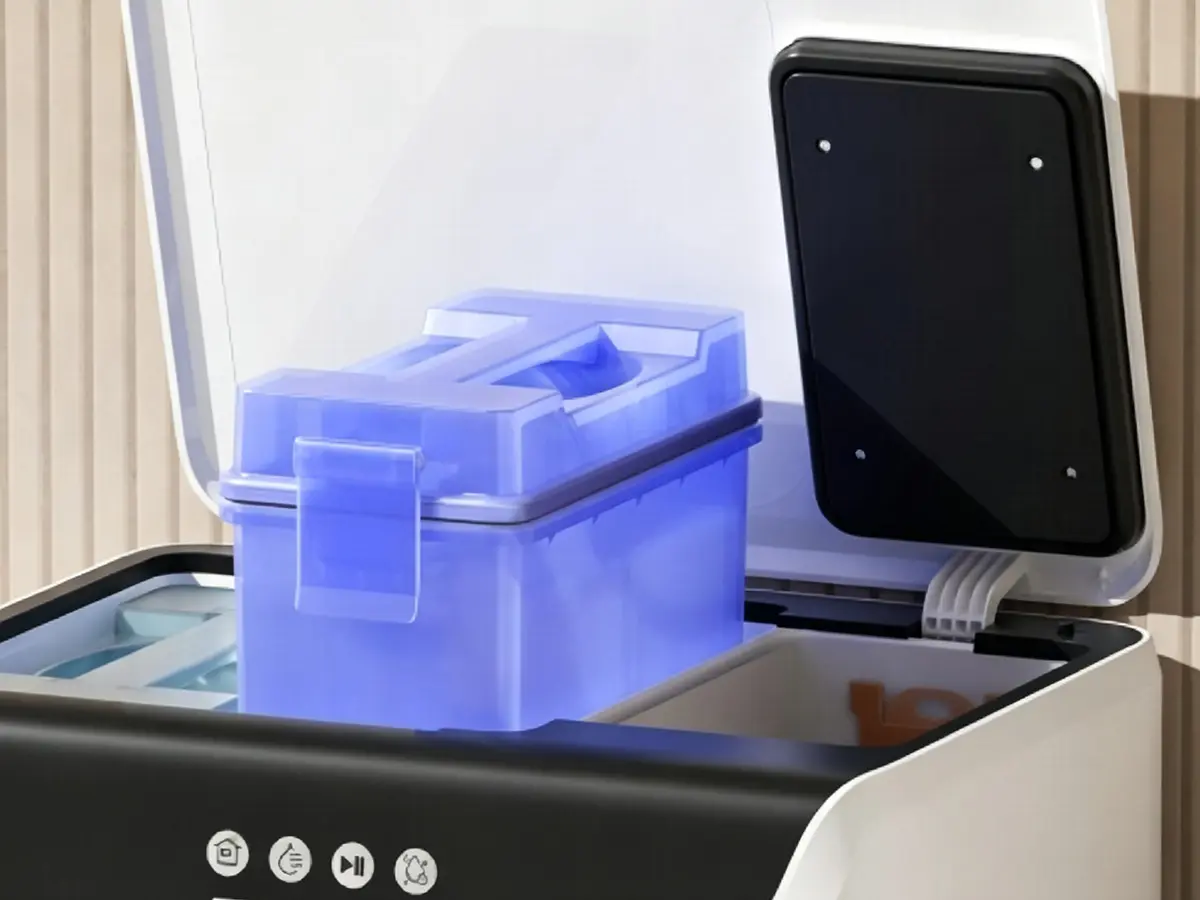
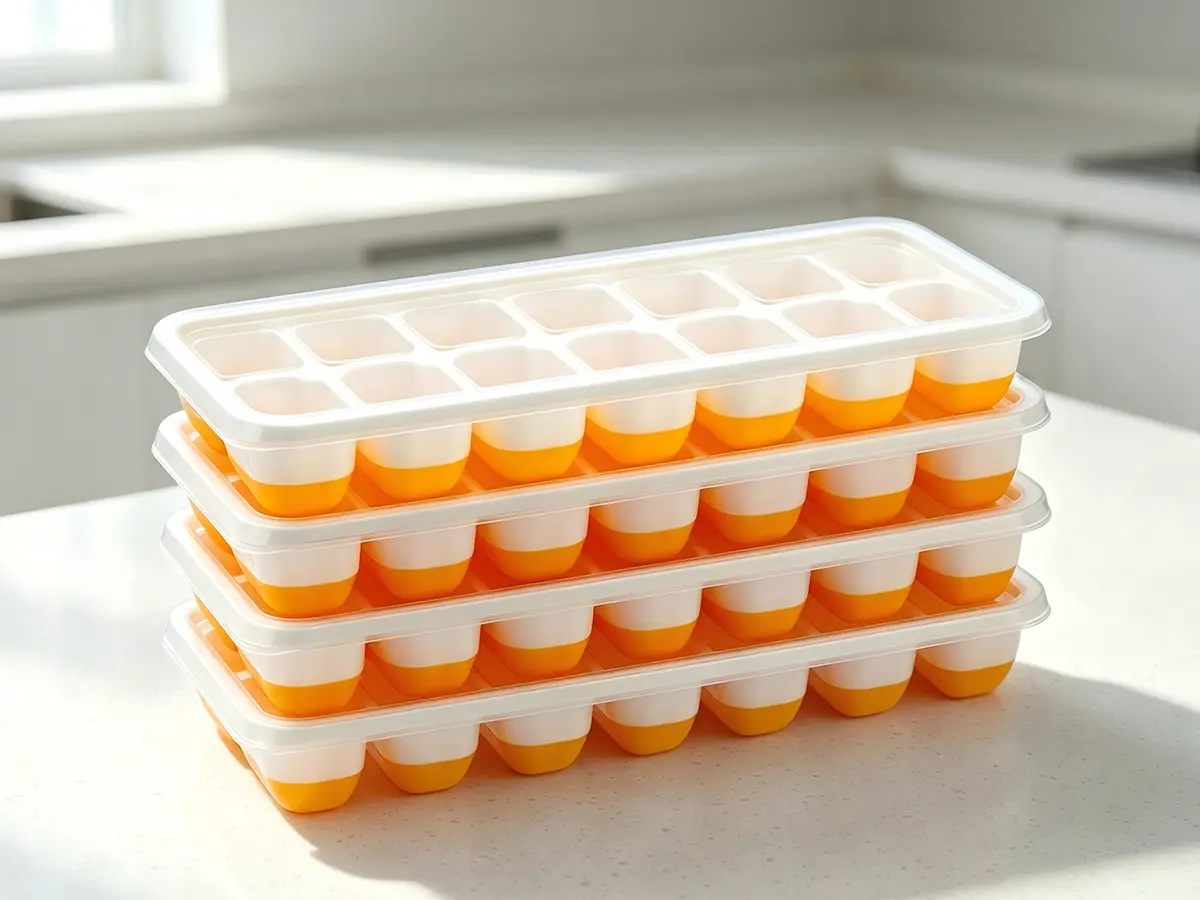
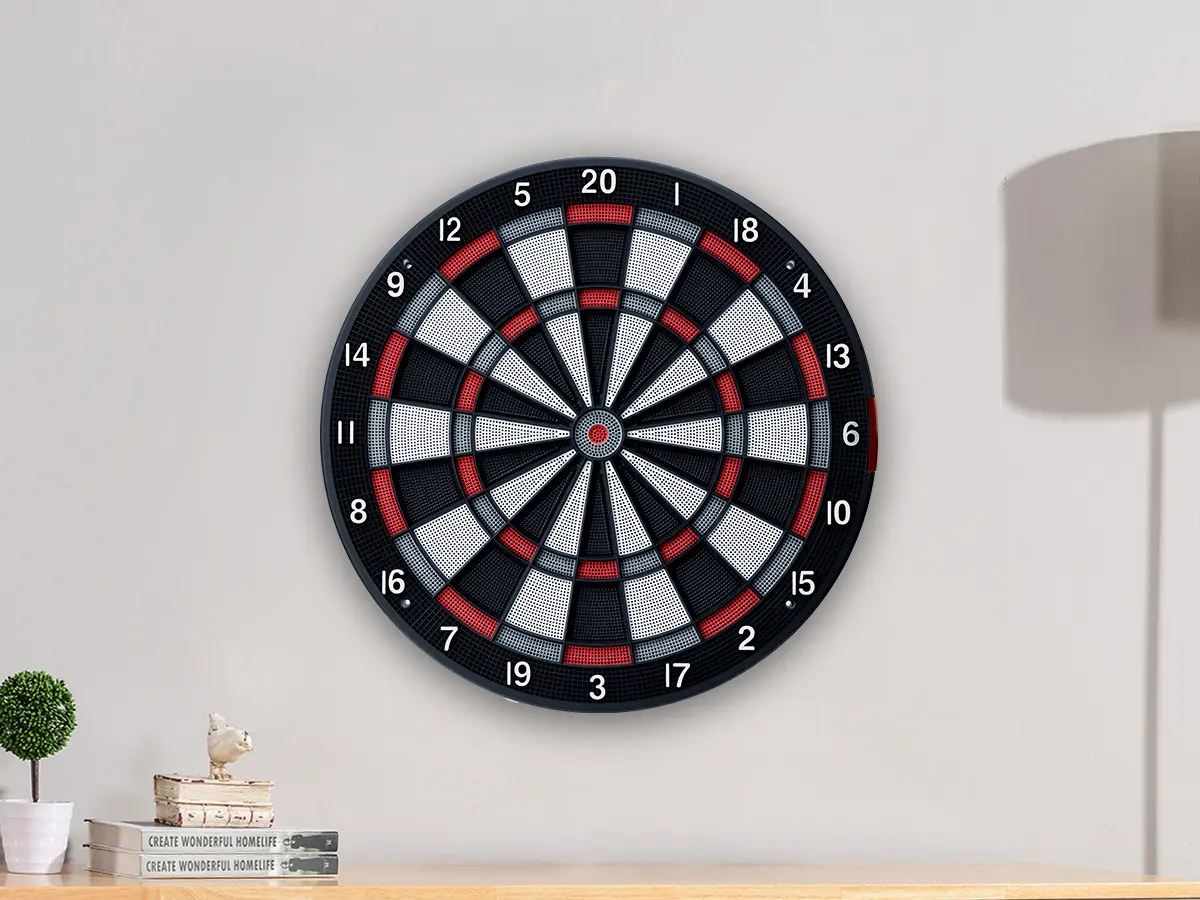
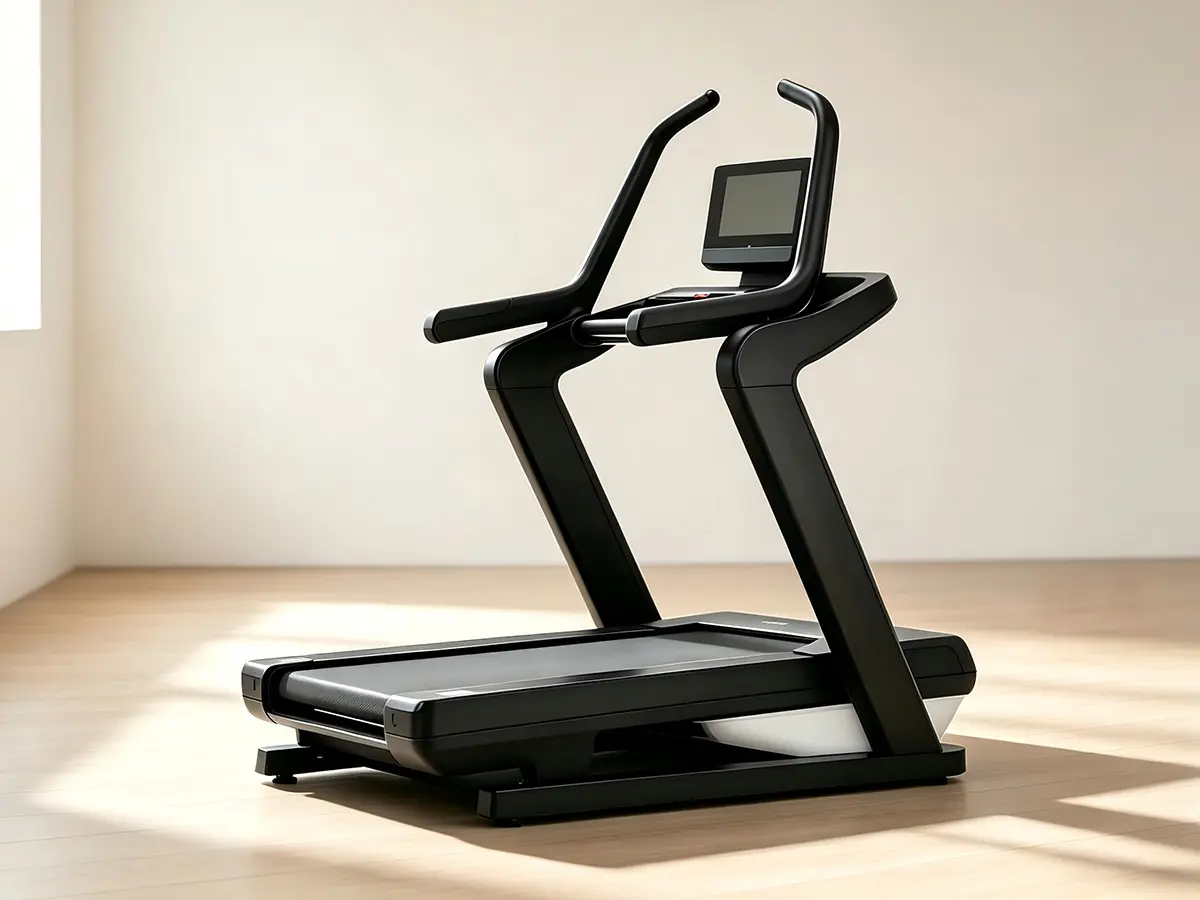
Parts molded here go into appliances and consumer products sold by brands and retailers across North America and Europe. Below are six product families that have run here in volume. The photos do not show customer brands; what matters to your quote is whether a part like yours has been built here before.


Decorating, assembly and inspection under the same roof
A molded part is rarely what you actually buy. Printing, painting and assembly are where parts get damaged in transit between suppliers, and where nobody wants to own the defect. Here those steps are in the same plant, so one supplier owns the part until it is boxed.
| Surface finishes | Mold-Tech and SPI textures, from non-cosmetic to polished. Finish is agreed at tool design, because texture depth changes draft. |
|---|---|
| Decoration | Silk screening, pad printing, hot stamping, laser marking, spray painting. |
| Assembly | Ultrasonic welding, insert and screw assembly, sub-assembly and full product assembly lines, including simple electronics. |
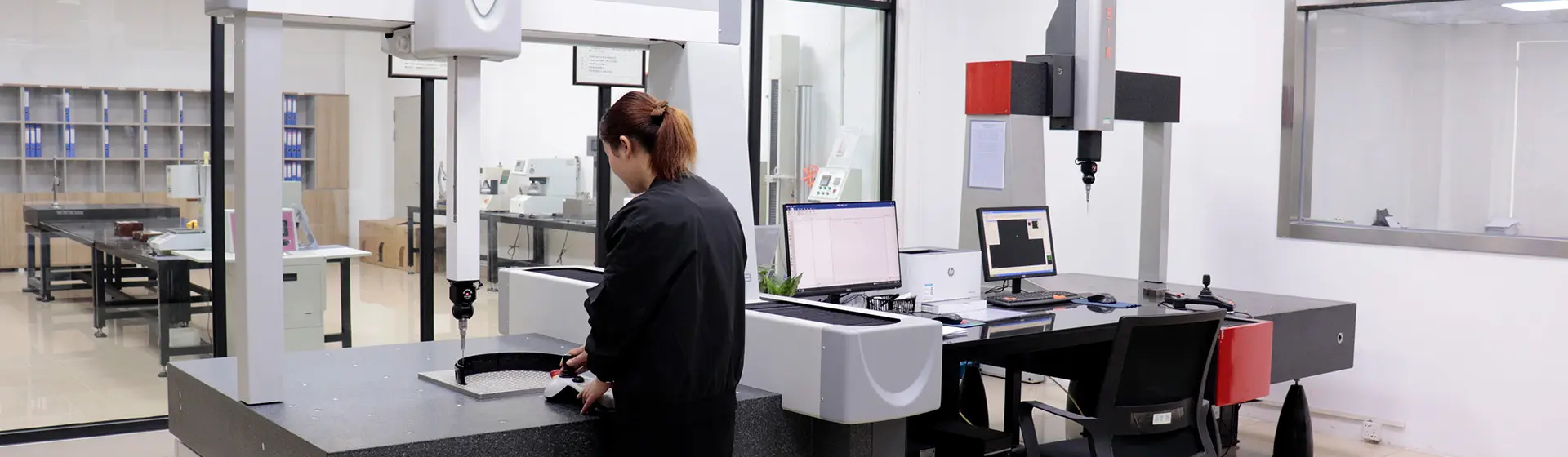
| Inspection | In-house lab: 3D coordinate measurement, dimensional checks, material analysis, reliability testing, temperature and humidity cycling, ageing. |
| Certifications | ISO 9001 · GRS · SMETA · SCAN, audited and current. |
From your 3D file to repeat production
Quote and DFMSend the 3D file, the annual volume and the resin if you have chosen one. You get a mold price and a part price, plus the DFM points that would change either of them.
ToolingSteel or aluminium, cut in our own tool room, with mold-flow results behind the gate and cooling decisions.
T1 samples and approvalFirst-off samples are measured against your drawing and sent for your written approval before the tool goes into production. Tool changes after T1 are normal and expected.
ProductionMolding, decoration, assembly and inspection, with first-article checks at every run and a dedicated line for recycled-content programs.
Repeat runsThe tool stays here, maintained and logged. Repeat orders run on the same press with the same parameters, which is the whole point of owning both the tool room and the presses.
This plant is built around programs that repeat: tooling that stays in service, parts measured the same way on every run, and more than 100 million parts leaving here a year. That is where our presses, our tool room and our people are strongest.
What buyers ask before they send a drawing
Who owns the mold?
You do, once it is paid for. It is your tool, it carries your part number, and it can be shipped to you or to another plant if you ever move the program. We ask that you tell us early, because a tool that will be moved is designed slightly differently.
What if tariffs or supply-chain risk mean the part can't ship from China?
DAYIN runs a second molding plant in Bac Ninh, Vietnam, under the same group, with presses up to 1,200T and a Vietnam certificate of origin on what it ships. If duties on your product, or your own customer's sourcing rules, mean the part has to come from outside China, the program can be quoted there, and a tool you own can be moved there.
Please note that this is only worthwhile if the savings on customs duties exceed the price difference. See the Vietnam plant
What decides the mold price?
Part size and the press it needs, cavity count, steel and hardness, slide and lifter count, surface finish, and how long you need the tool to last. Two parts that look alike can differ by a factor of three once the undercuts are counted — which is why we quote from the 3D file rather than from a photo.
As an order of magnitude, tooling here runs from around US$3,000 for a simple single-cavity mold to US$100,000 and above for a large multi-cavity tool with slides. Your part lands somewhere on that scale, and the quote says exactly where and why.
How long does a mold last?
Around 300,000 shots is the normal design target for a steel production tool here. Aluminium tools are cheaper and faster to cut but wear sooner. Tell us the annual volume and how many years the part will sell, and the tool is specified for that rather than for a generic number.
Insert molding, overmolding, 2K — which one do I need?
If a metal part must end up inside the plastic, that is insert molding. If a soft material has to cover a rigid one and the two can be molded in sequence, that is overmolding — simpler tooling, more handling. If the two materials must be shot in one machine cycle, that is 2K, which needs a two-shot press and a more complex tool. We run all three, with one dedicated 2K press.
Can you take over a mold from another factory?
Yes, and it happens regularly. The tool is inspected on arrival, sampled, and we report what it will need — worn cavities, missing cooling, damaged slides — before quoting the part. A transferred tool is usually cheaper than a new one, but not always; we will tell you which case you are in.
Can you run the exact resin grade my drawing specifies?
Yes. The grades we already buy are listed above; anything outside that list is purchased for your program. If you want a substitute to reduce cost, we will tell you what changes — shrinkage, impact, colour match — instead of switching quietly.
What happens to my drawing once I send it?
If you have an NDA, send it with the file and we sign it. With or without one, the file stays with the people working on your project — it is not circulated and not shown to other customers.
The tooling you pay for runs your parts only. We do not use your mold or your design to produce or quote for anyone else, and if we ever want to show your part in our own marketing, we ask you first.
What documentation can I get with the parts?
The documents your quality system or your own customer requires, provided as you instruct. Tell us at quoting stage what you need, so it is built into the program from the start rather than chased afterwards.
What decides how long the job takes?
Four things, in order of weight: how complex the tool is (cavity count, slides, lifters, texture), how many rounds of change the part needs after T1, whether the resin you specified is a stock grade or has to be ordered in, and what happens after molding — printing, painting and assembly each add a step.
As a guide, building the mold itself typically takes 20–25 days for a simple tool and 35–40 days for a complex one, counted after DFM is closed and the order is processed. The quote comes with an estimated timeline for your part. The firm delivery date depends on the production schedule when the order is placed, and is confirmed then.
How is the tooling paid for?
Tooling is paid in stages rather than in one lump, usually on one of two schedules: 50% before steel is cut and 50% once you approve the T1 samples; or 40% before steel is cut, 30% when the T1 samples are delivered and 30% once you approve them. Which one applies is agreed with the quote. Changes you ask for after T1 are quoted separately and openly — you see what each change costs before it is made, not afterwards on an invoice.
What size of program fits this plant?
Production programs that repeat — typically tens of thousands to millions of parts a year, on tooling that stays here and is maintained between runs. Send the annual volume with your drawing and you will get a straight answer on whether this plant is the right home for the part.

Send the drawing. Get a mold price and a part price.
Upload a 3D file and tell us the annual volume. If you have picked a resin, say which; if you have not, say what the part has to survive and we will suggest one. Quotes are prepared by the engineers who will run the job.
Prefer email? fiona.vn@madeindayin.com · See the full OEM/ODM scope
Need the parts made outside China? See our Vietnam plant in Bac Ninh →