




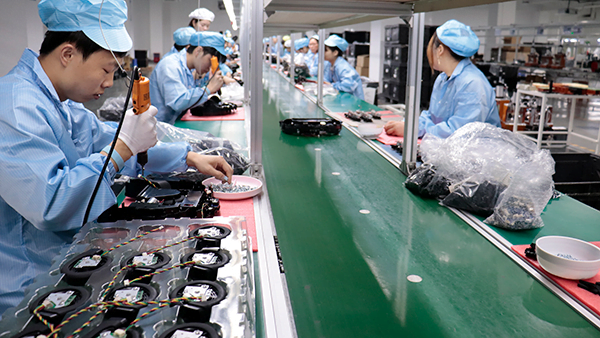
With continuous advancements in processing technology and production equipment, injection molding utilizes various techniques like blow molding to manufacture thermoplastic and thermosetting plastic products. These products have been widely applied across industries such as light machinery, agriculture, forestry, and transportation.
However, as plastic products are made from polymers, disposing of them has become a challenging issue. Simple landfill methods do not decompose plastics and may even contaminate the soil. Incineration also poses risks, as additives used in plastic production can release toxic gases, leading to air pollution.
Fortunately, the rise of the recycled plastics industry offers a promising solution to plastic pollution. In recent years, growing public awareness of environmental quality and an increase in eco-consciousness, combined with rising oil prices that have driven up the cost of raw plastic materials, have created favorable opportunities for the clean and sustainable development of the recycled plastics industry. Experts note that through technological innovation and industrial restructuring, China’s recycled plastics industry has made significant progress, advancing towards high quality, diverse varieties, and high-tech production.
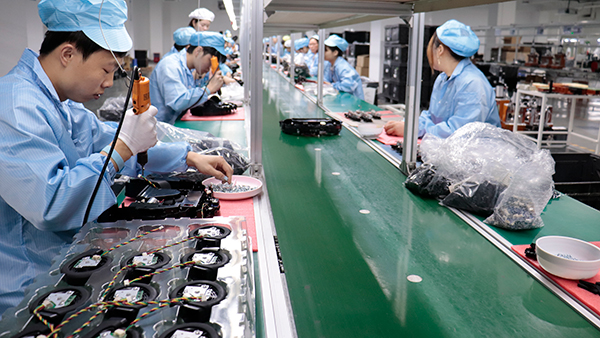
Against the backdrop of the nation’s active promotion of the circular economy, the reform of traditional industries, and its commitment to environmentally friendly sustainable development, the outlook for the domestic recycled plastics industry remains promising, despite some challenges that still need to be addressed. Domestic plastic companies should seize this opportunity to actively develop recycled plastic production projects and drive green development within the industry. Additionally, some domestic plastic molds have begun replacing imported products, further enhancing the industry’s competitiveness.
DAYIN Plastics Co., Ltd. specializes in home appliance mold manufacturing, providing OEM/ODM services. As an integrated solution provider offering both R&D and manufacturing services, our in-house products include robot vacuum cleaners, plastic tableware, and electronic dartboards. With 30 years of mold development experience, over 50 R&D personnel, and more than 100 injection molding machines, we are committed to delivering high-quality manufacturing services and creating value for our customers.
Growth Pockets for Molders: Where Demand Is Actually Moving
Industry growth headlines blur four very different pockets, each with its own entry requirements:
| What drives it | Entry requirement | |
|---|---|---|
| Appliance housing programs | Replacement cycles, new markets | Large machines, cosmetic discipline |
| Medical and lab consumables | Health spending, single-use trends | Cleanroom and documentation |
| EV and charging infrastructure | Electrification buildout | Flame-grade resins, traceability |
| Pet and consumer durables | Lifestyle spending | Design support, fast tooling |
The medical row is the highest barrier and the stickiest: documentation requirements that look burdensome from outside are precisely what makes those customers hard to take away, so the investment prices in a moat. The EV row rewards traceability systems — flame-grade resins arrive with certificates, and the customers audit where they went. The appliance row remains the volume backbone and the one most factories already serve, which is why differentiation there shifts to the checks that matter across years: colour protocols, tool maintenance, mating-line discipline. Molders reading their own machine list against these pockets find their honest adjacency — the pocket their current assets actually serve — which beats chasing the pocket with the best press release. The Vietnam expansion route is in the Vietnam footprint, and the metals adjacency in stainless processing. Reference: industry scope and emerging demand.